
Common Home Inspection Questions
If you’re not familiar with home inspections, then you might have a lot of questions about what gets inspected, why you even need one, and what you can expect if something shows up that might be a red flag. There’s a lot to know about a home inspection, and your questions deserve answers.

What is a home inspection?
A home inspection is basically what the name implies: A licensed professional home inspector walks through the home and around the exterior, looking at specific elements and features of the house, and then provides a report about the accessible systems and components. The Texas Real Estate Commission has strict standards of practice for home inspectors which can be found here.
Do I want a home inspection?
Yes, Yes, Yes!
An inspection is always a good idea to give you a rundown on any issues or problems with your house, that are not easily observed from just walking through and seeing during a showing.
If you’re already living there from renting, it’s still a good idea if you’re buying the home — you will most definitely want an inspector to check for any potential red flags.
Potential unseen issues can lead to unexpected expenses after closing, and major ones can sometimes affect the insurability of your house (which, in turn, affects your loan eligibility). Home inspections are most common after an offer is made and accepted on a house but before any option period runs out. The purpose of an option period is so the buyer has time to get inspectors in and out, get their reports back, and still have time to make a decision to either move forward, ask for repairs, or renegotiate the contract to allow them to make any repairs needed after closing themselves. Option periods in Texas are not automatic, they must be negotiated in the contract. Of course, after closing repairs are usually only an option provided that none of them cause any lender requirements ahead of time to satisfy loan conditions.
What all does the home inspector look at?
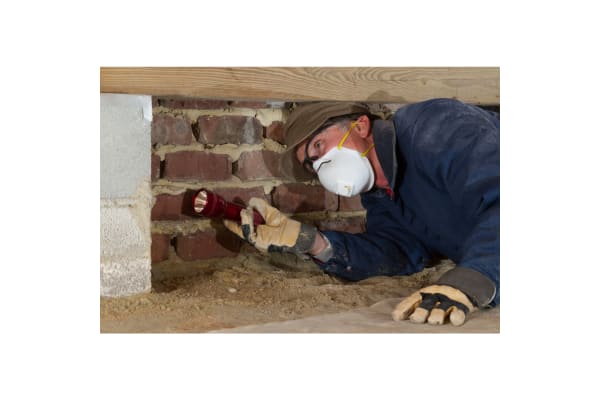
Basically, you should expect whole home inspectors to look over the house in its entirety. Sometimes spaces are too small to accommodate the inspector, but most of the home will be inspected that can be easily accessed safely. A few major components to expect will include -
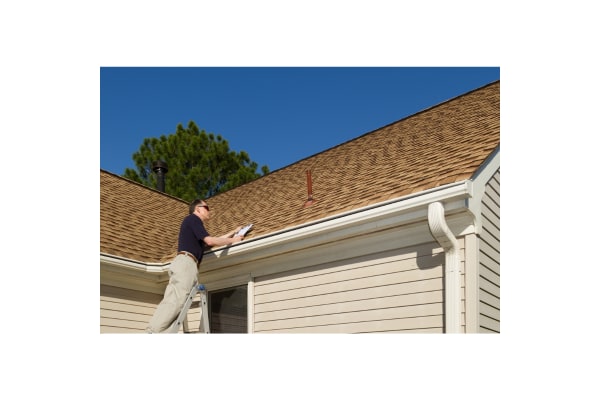
the roof and attic
the basement and foundation
the plumbing
the electrical setup
the heating or air conditioning systems
the interior of the house
the exterior of the house
add-on items are also sometimes needed like a water well, pool, carports, exterior buildings, etc.
Depending on where you live and what common problems tend to manifest in the homes, you might also want to think about hiring a pest inspector, a septic inspector, or even ask about an engineering report to evaluate the home and property's structure and stability.
In areas where radon is prevalent, or where there’s a lot of humidity, you may also want to ask about radon or mold testing (again, some home inspectors do this as an add-on part of their package).
How much does it cost?
The price of the home inspection is going to depend on the size of the house by square feet, with any additional costs for add-on items. You or your agent can usually get an estimate from the company you decide to use when scheduling.
Do you need an inspector for a new house?
It’s always a good idea to get a home inspection — even in a brand-new house. You don’t want to find out there’s a problem that builder had after you move in. An independent inspection is the best way to help identify observable deficiencies before you move in.
Should you attend the inspection?
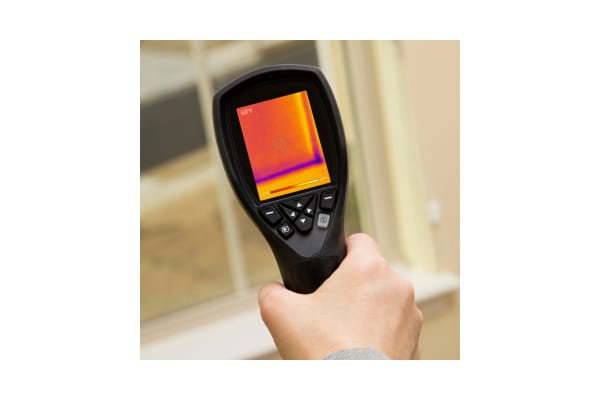
It’s usually a good idea for the buyer to wait until the inspection is complete and the inspector lets them know he is ready to go over anything found with them and their agent. Inspectors do not need anyone in their way when they are working. Many inspectors today use new technologies that allow them to include photos of any issues or potential problems, but there’s nothing like being there in person when the inspector is done, to better understand exactly what’s wrong and let them point it out. One thing that is not welcomed, is for any buyers to show up unannounced and be walking the property alone without their agent. That would open up the possibility for liability issues and is just not safe for either party.
What happens if a problem is uncovered?
Home inspectors are going to list absolutely every little thing considered deficient with a property, which is a good thing in my opinion considering that's what a buyer is paying them to do. You want to be educated and informed. Now, knowing every little thing is going to be included on that report, (from a missing outlet cover down to a hairline crack), all buyers should not let that overwhelm them when reviewing it. Go over any concerns you have and make sure to discuss all of the major or unsafe items. If everything is not in good shape with the home, you’re about to buy don't lose hope, there are options. You may need to call in more professionals specific to each component. You may need to ask for additional option period days to run quotes and make phones calls. You may need to discuss how to ask the seller for repairs, credits, or a potential reduction in sales price. (Make sure to keep up with that option period expiration!)
Sometimes sellers don't have the cash to pay for repairs right then. If it's not going to be a lender required repair, buyers could ask for seller concessions, or an amount of money to be knocked off the final sales price to accommodate for the repairs later themselves. There could even be an option for both. Sellers may agree to do a couple repairs before closing, and also reduce price to allow buyers to finish up things later.
This may just end up being one of the occasions no one wants to bother with any repairs at all, and the parties decide to terminate because an agreement just can't be reached. That is the positive of a home inspection though, not necessarily a negative. That few hundred dollars you spent on a home inspection, just saved you who knows how much money later down the road after deficiencies were pointed out. If everyone can come to an agreement that suits everybody however, then the sale can move forward.
If you have more questions on inspections or need some home inspection contacts in my area, don't hesitate to reach out!

Melissa Summers
Hi there! I am the Broker & Owner of Country Roots Realty, and I am here to help sellers and buyers with all their real estate needs here in the heart of the Pineywoods of East Texas.