
What's a Mortgage? There are many different types of home loans out there today. Let's go over some of the basics to help you in researching which one may be a good option for you.
Buying a home often involves more than choosing the right property. For many buyers, it also means understanding how a mortgage works and deciding which type of financing fits their budget and goals.
A mortgage is a loan used to purchase or refinance real estate, with the property serving as security for the debt. Borrowers typically repay the loan over an agreed period, with interest and any applicable fees. The right loan depends on factors such as income, credit history, down payment, property type, and long-term plans.
If you're considering buying a home in East Texas, learning the basics can help you ask better questions, compare loan offers, and prepare for conversations with a mortgage lender.
It's always a good idea to research different companies and learn about the loan programs they offer that would fit your individual financing needs and have your list of lenders narrowed down before applying to a bunch of them.
Types of Mortgages
Conventional Loans
Conventional mortgages are not insured or guaranteed by a federal government agency. Some conforming conventional loans meet the requirements for purchase by Fannie Mae or Freddie Mac, while other conventional loans may not. Interest rates, down-payment requirements, mortgage insurance, and property eligibility vary by loan and borrower. Compare the total costs and terms of conventional and government-backed options with your lender.
Government Insured Loans
The federal government backs these loans by insuring the loaned amount if the borrower defaults. These can be FHA (Federal Housing Administration), USDA (US Department of Agriculture), or VA (US Department of Veteran Affairs).
FHA loans can come with lower interest rates and lenders can allow lower credit scores. Homes with this type of loan have a strict set of FHA requirements the appraiser will check for when they come appraise the property. The property must meet applicable FHA standards, and the appraisal includes an assessment of its acceptability for FHA financing. Certain conditions may need to be corrected before closing. Buyers should still consider obtaining an independent home inspection, because an appraisal does not provide the same detailed evaluation of a home's condition.
USDA loans are designed for rural areas and properties should be checked to make sure they fall into one of those approved areas before applying for that type of loan. USDA loans may offer eligible buyers the opportunity to purchase a qualifying home with no down payment. Borrower income, property location, occupancy, and other program requirements apply, so buyers should verify eligibility with an approved lender.
VA loans are available to eligible service members, veterans, and certain surviving spouses who meet program requirements. Qualified borrowers may be able to buy without a down payment, depending on the transaction and lender requirements. A VA funding fee may apply, although some borrowers are exempt. A VA-approved lender can explain eligibility, funding fees, and other costs.
Jumbo Loans
Jumbo loans are needed usually when purchasing a more expensive property than what the conforming loan limits allow with Fannie Mae & Freddie Mac. They will require good credit with plenty of down payment and could have higher loan costs. While qualifying for this type of loan might be stricter the interest rates can be competitive.
Reverse Mortgage
A reverse mortgage is a specialized loan available to eligible homeowners, generally age 62 or older for the most common federally insured program. It allows homeowners to access home equity, but interest and fees are added to the loan balance over time, reducing available equity.
Borrowers must continue meeting the loan's obligations, which can include paying property taxes and homeowners insurance, maintaining the home, and meeting occupancy requirements. The loan generally becomes due when the last borrower dies, sells the home, or no longer lives there as a principal residence. Depending on the circumstances, an eligible surviving spouse may be able to remain in the home, and heirs may have the option to repay the loan and keep the property. Anyone considering a reverse mortgage should speak with a HUD-approved housing counselor and review the terms carefully.

Types of Rates
Fixed-Rate
This is where your payment will not change over the life of the loan. Principal and interest are fixed, regardless of what the economy is doing. Home insurance and taxes can obviously still change however, and those items can definitely make your monthly payment adjust up or down.
Adjustable-Rate
An adjustable-rate mortgage (ARM) usually begins with an initial period during which the interest rate stays fixed. After that period, the rate may change at scheduled intervals based on the loan's index and margin, subject to the terms and limits in the mortgage agreement.
An ARM may offer a lower initial rate than some fixed-rate loans, but the payment can increase when the rate adjusts. Before choosing an ARM, ask the lender when adjustments begin, how often the rate can change, what rate caps apply, and what your payment could look like if rates rise.
Types of Terms
Today there are all types of lengths for mortgages and each lender will have their own set of available terms for their programs. For fixed I have seen a lot of 30, 25, 20, and 15-year programs. If you are hesitant to commit to a fixed rate for 30 years, there is always the option to refinance later if the rates come down. Many ARMs I have seen have been offered at 3, 5, 7, and 10-year increments.
In the end it's going to come down to what is the best loan, rate, and term for you and your unique financial situation. Your chosen lender will be able to go over all of your options and crunch the numbers with you to assist in making the right decision.
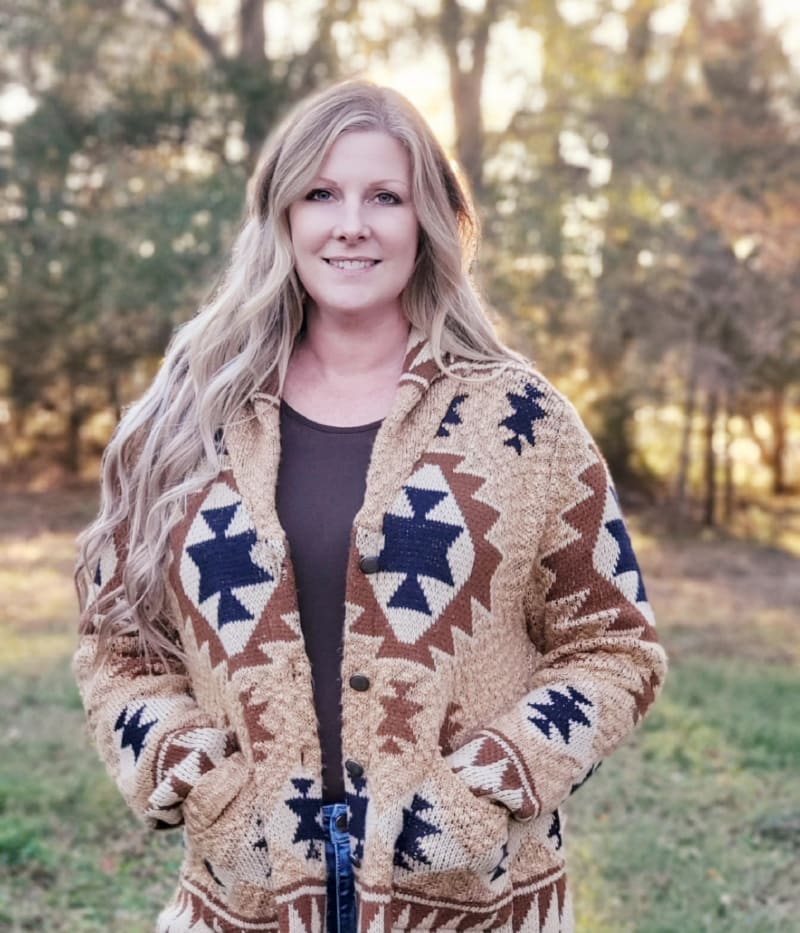
Hi there! I am the Broker & Owner of Country Roots Realty and I love helping sellers and buyer with all of their real estate needs here in the heart of the Pineywoods of East Texas.